


A poetic interweaving of voices across six spiritual traditions, Animananda traces the human journey through Nietzsche’s three metamorphoses–camel, lion, and child–where at times we submit, at times we resist, and at times we create.


Short Documentary | 20 minutes | HD | poetic style with mixed media | ©2026


Synopsis
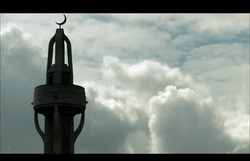
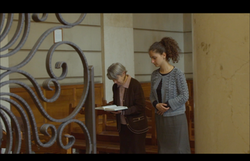
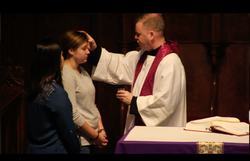
Animananda emerges from our Religion Stories docuseries, a series of conversations between individuals deeply connected to their religions—priests, teachers, monks, rabbis, practitioners—and those from a younger generation. Together they are actively questioning, reshaping, or even rejecting what they have inherited from their respective faiths. These dialogues revolve around meaning-making across Atheism, Buddhism, Christianity, Hinduism, Islam, and Judaism as voices in conversation with one another. Animananda, a capstone documentary that weaves all of those conversations together into one extended meditation, explores the evolving nature of faith, identity, and human connection across these diverse religious traditions.
The short film draws inspiration from philosopher Friedrich Nietzsche’s Thus Spoke Zarathustra and the concept of the “Three Metamorphoses,” which he uses to illustrate the three stages of life as camel, lion, and child.
Through Nietzsche’s lens, the film reflects on how humans move through these phases. The camel is burdened with the weight of traditions, rituals, and unquestioned belief. The lion resists these regulations by gaining awareness, pushing back and questioning the very systems that shaped his faith. And then the child emerges with innocence and playful energy, capable of creating meaning and freedom. Animananda reveals how these stages in metamorphosis coexist within us. Human beings may hold all three at once! At times we submit, at times we resist, and at times we create.
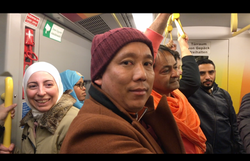
Across different religions, cultures, and ways of living, the film searches for what remains constant. People may look different, speak different languages, follow different paths—but beneath these contingencies, we share an impulse to seek meaning, to belong, to understand one’s place in this world.
Animananda—from anima derived from Latin (breath, soul) and ananda from Sanskrit (bliss, realization)—sits within this plane. The film is a reflection on the deep, intimate and ever-evolving experience of human life. It explores the universal act of becoming—of carrying, breaking, and remaking meaning, in one’s own way.

 |  |  |  |
|---|---|---|---|
 |  |  |  |
 |  |  |  |
 |  |  |  |
 |  |  |  |
 |


